
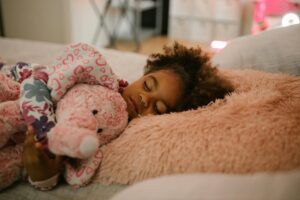
It’s easy to dismiss snoring as just another childhood quirk, especially when your child seems otherwise healthy. But pediatric sleep apnea in Medina, OH often begins with the kind of symptoms many parents are told to ignore. Interrupted breathing during sleep can quietly affect how your child feels and functions every day. The sooner you recognize the signs, the sooner you can explore solutions that support better sleep and healthier development.
When Snoring Isn’t “Just a Phase”
You’ve probably heard it before. Kids snore sometimes. They’ll grow out of it. For many parents, that reassurance is enough to move on without a second thought. In some cases, what seems minor can point to pediatric sleep apnea in Medina, OH.
What Are the Signs of Sleep Apnea in a Child?
Parents often ask, “What are the signs of sleep apnea in a child?” Some of the most common children’s sleep apnea symptoms show up at night. The most common are loud, frequent snoring, noticeable pauses in breathing, and consistent mouth breathing. You may also see restless sleep, with frequent tossing, turning, or waking throughout the night.
Daytime Signs Parents Often Miss
Behavioral problems linked to sleep apnea in children often appear as difficulty concentrating, mood swings, or a shorter temper than usual. Some children may seem unusually hyperactive, which can lead to concerns about ADHD.
What Causes Pediatric Sleep Apnea?
If the airway becomes too narrow during sleep, breathing can be interrupted. Larger tonsils can limit airflow, especially when muscles relax at night. Jaw development and oral structure can also influence the amount of space in the airway.
How Is Pediatric Sleep Apnea Diagnosed?
A sleep study is the most common first step. Some children complete this testing at home. Others benefit from a lab-based study for a more detailed view. Either way, the goal is to confirm what’s happening and guide next steps.
Treatment Options That Go Beyond CPAP
For many parents, the idea of using a CPAP machine can feel overwhelming. It’s not always the most comfortable or consistent fit. The good news is that there are CPAP alternatives for kids. Oral appliance therapy, offered through a dental approach, gently repositions the jaw to keep the airway open during sleep. In some cases, treatment for sleep apnea in toddlers may involve a combination of approaches, depending on their age and specific needs.
Take the Next Step
Parents trust their instincts for a reason. If something about your child’s sleep doesn’t feel right, it’s worth a closer look. Pediatric sleep apnea in Medina, OH, is often overlooked, but early attention can make a meaningful difference. The team at Medina Dental Sleep Solutions offers a comfortable, child-focused approach to identifying the issue and recommending solutions that fit your child’s needs.
Schedule an evaluation to find out if your child’s symptoms are related to sleep apnea.